
Water infrastructure improvement projects designed by Wade Trim in Florida and Ohio were recognized for engineering excellence by their respective American Council of Engineering Companies (ACEC) Member Organizations. Honor Awards were given to the Islamorada Transmission Main Replacement project for the Florida Keys Aqueduct Authority (FKAA) and the City of Cleveland Heights’ Integrated Overflow Control Projects.
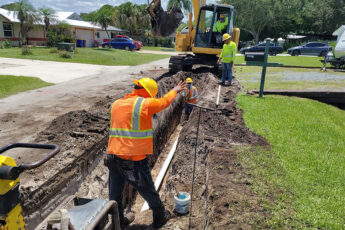
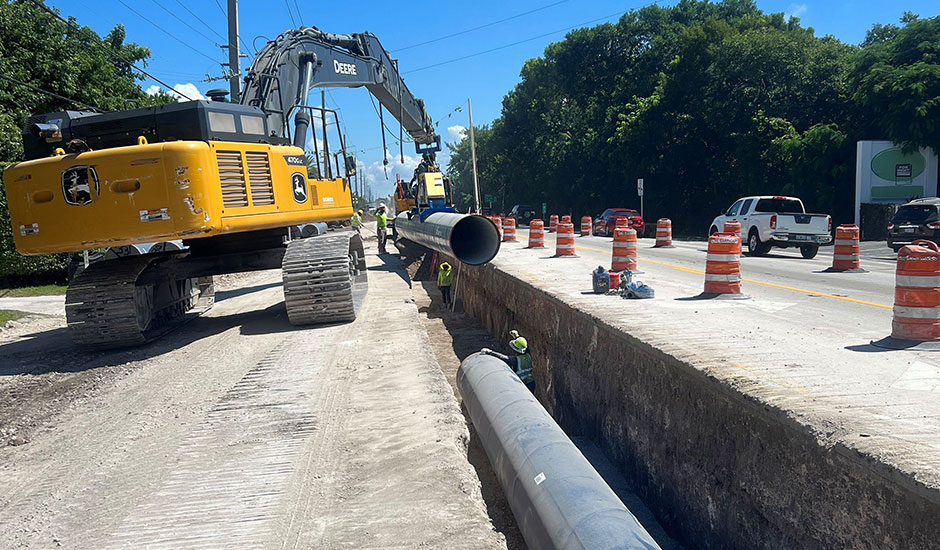
The Islamorada Transmission Main Replacement included 5 miles of 36-inch-diameter, cathodically protected steel water main installed along the narrow US-1 route of the Upper Matecumbe Key to replace prematurely aging infrastructure. Wade Trim provided design and construction management services for this project, which advanced FKAA’s long-term effort to replace water transmission pipeline along the 130-mile chain of islands that make up the Florida Keys.
With limited space to work, the project team designed the alignment to minimize the construction footprint along the island corridor. Early material procurement reduced costs and risks, while round-the-clock, train-style construction cut the schedule in half and maintained traffic flow for residents, businesses, and visitors. The new pipeline will resist corrosion and have a longer service life, with dual pipes providing redundancy for a more resilient water system in a hurricane-prone area.
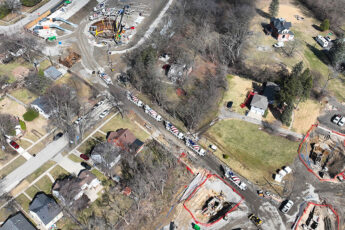
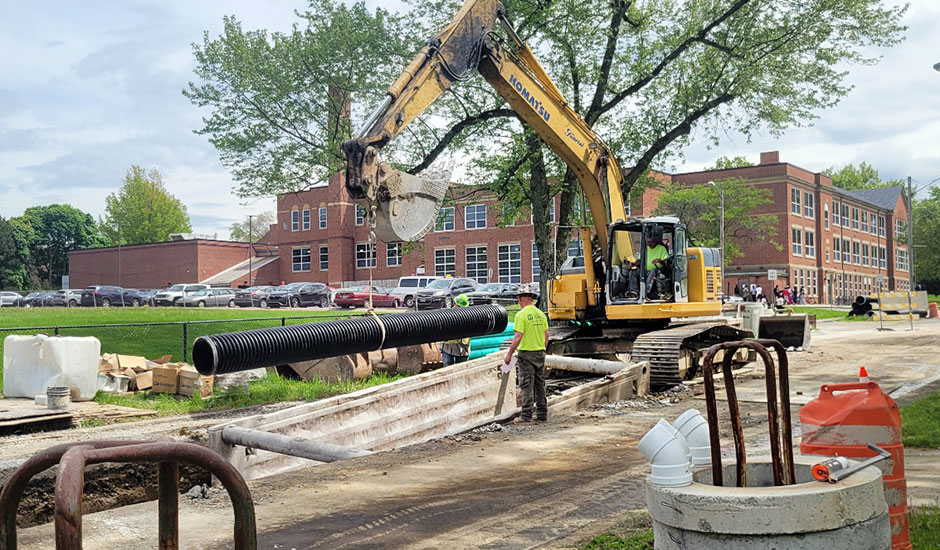
The Integrated Overflow Control Projects represent a $10-million investment towards Cleveland Heights’ long-term strategy to eliminate 42 sanitary sewer overflow (SSO) problem areas by 2036 and reduce basement backups. Significant inflow and infiltration (I&I) problems caused by unique “common trench” sewers, where sanitary and storm sewers share the same trench, were addressed. System performance was optimized through innovative pre-planning, field investigations, and advanced hydraulic modeling. Wade Trim served as prime engineer and lead designer, also providing construction inspection and management.
Ultimately, six projects were completed to control or abandon 12 SSOs, eliminating 3.7 million gallons (36%) of the City’s annual SSO. The complexity of the work was heightened by the need to design hydraulic connections from shallow local sewers to deep relief sewers, address unknown utilities, and manage challenging ground conditions. The team’s ability to adapt in real time and use a “replace in place” approach minimized construction costs and risks. Additional community benefits included water main replacement, lead water service line removal, and pedestrian and roadway improvements.