
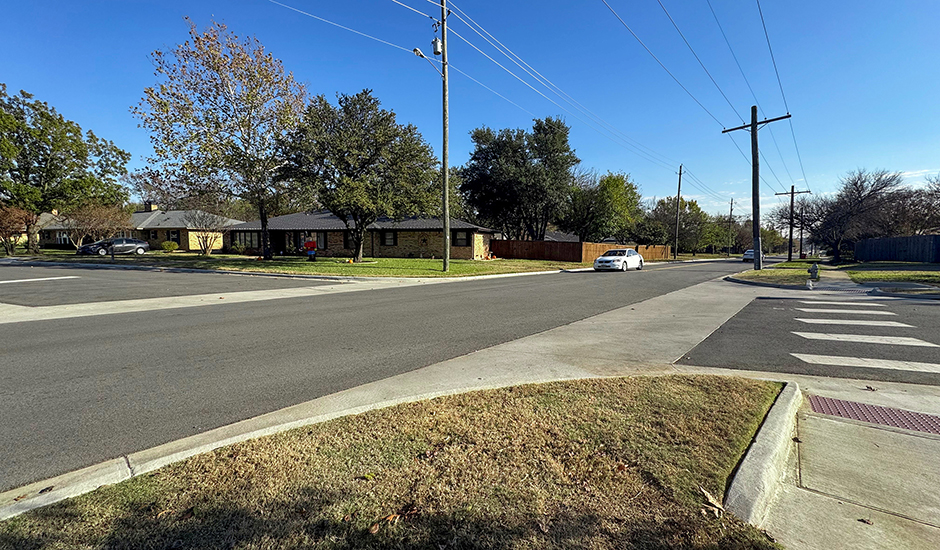
Regional growth, high-tech manufacturing investments, and large-scale housing developments have led to a population surge in the City of Sherman, TX. With street improvements identified as a top priority for residents, the City began an Annual Street Maintenance Program in 2024. Investing in timely street maintenance rather than deferring action until full reconstruction is required has enabled the City to increase asphalt street repair work. Wade Trim is providing design engineering services for the phased improvement of 10 streets totaling 14 miles of pavement, as well as bidding assistance and support during construction.
The City uses a data-driven, asset management strategy to guide its maintenance of 200 miles of streets. Pavement Condition Index (PCI) scores are used to rate street conditions from Poor to Great and prioritize rehabilitation. In addition, a new ‘One Clean Sherman’ initiative focuses street repairs on entire neighborhoods instead of single streets and provides resources to help residents clean their properties before street work begins to amplify the impact.
Our analysis of the PCI scores confirmed that 3-inch mill and overlay would be the most cost effective and durable rehabilitation method for eight streets. Full reconstruction is planned for the remaining two streets to also implement drainage improvements. To support design efforts, Wade Trim utilized the City’s GPS data to identify tripping hazards, ADA compliance needs, drainage concerns, utility locations, pavement limits, and curb and gutter sections requiring replacement.
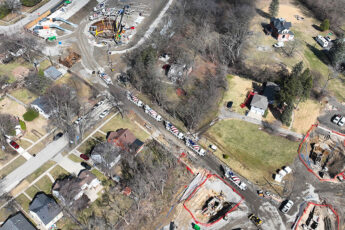
In 2025, Washington Street and Sunset Boulevard were rehabilitated. During construction, work was limited to one side of the road to maintain traffic and accessibility to driveways and a nearby school. Design is underway for the other eight streets including Travis and Cherry that support a higher volume of traffic near the City’s downtown. Construction is scheduled through 2029. As proactive and phased street rehabilitation continues, the City is extending the life of its roadway network and reducing long-term costs while supporting growth and quality of life for residents.